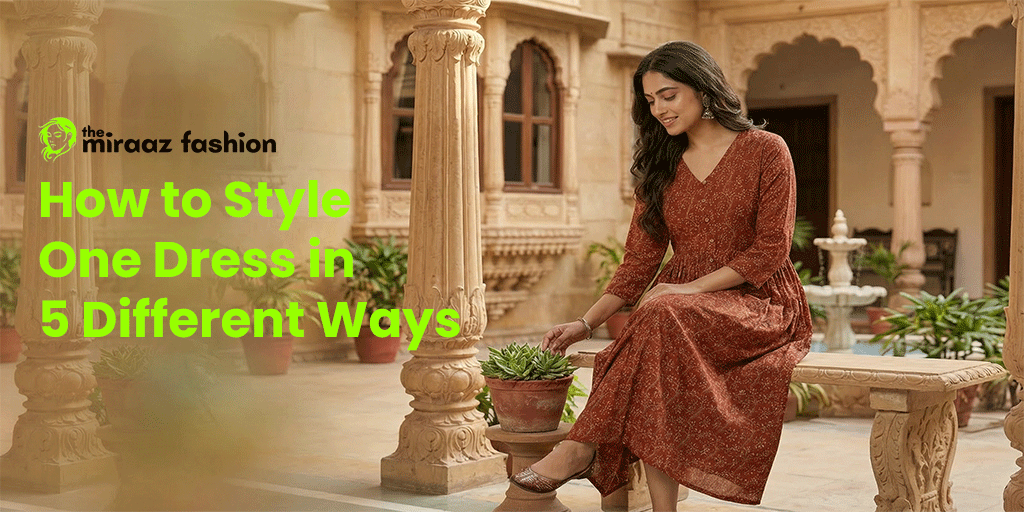

One dress can become 5 completely different outfits by changing just three things each time: footwear, layering, and accessories. The same dress reads as casual with sneakers and a denim jacket, professional with a blazer and belt, party-ready with heels and statement jewellery, winter-appropriate with layering underneath, and festive with ethnic jewellery and a dupatta — no new clothing purchase required.
Below is the exact swap list for each of the five looks, plus the styling logic behind why these specific changes work.
Why Re-Styling One Dress Is a Smarter Habit Than It Sounds
There’s a quiet fear behind most over-shopping: the worry that someone will notice you’re “repeating” an outfit. But the truth is simpler than that fear — nobody remembers your dress. They remember how you looked and felt in the room. And how you looked was shaped almost entirely by your footwear, layers, and accessories, not the base dress itself.
Once you understand this, the practical benefit is real: fewer purchases, less wardrobe clutter, and a dress that earns its place in your closet by doing five jobs instead of one.
1. How do you style a dress for a casual, everyday look?
Answer: Pair the dress with white sneakers or flat sandals, add a denim jacket or lightweight shrug, and keep jewellery to a single simple piece — this combination turns any dress into a relaxed, everyday outfit.
The swap list:
- Footwear: White sneakers or flat sandals
- Layer: Denim jacket or lightweight shrug
- Jewellery: Stud earrings or a simple chain — nothing more
- Bag: Tote bag or sling bag
Best for: College or classes, shopping trips, coffee dates with friends.
Why it works: Casual styling is about lowering the formality of the base dress. Relaxed footwear and a casual outer layer instantly do that, regardless of how dressy the underlying dress is.
Fabric tip: If you’re shopping for a dress specifically to build multiple looks, breathable fabrics like cotton or rayon make the casual version the most comfortable of all five.
2. How do you turn a dress into office wear?
Answer: Add a structured blazer, pair with block heels or closed-toe flats, and define the waist with a thin belt — this layering combination is enough to make almost any dress office-appropriate.
The swap list:
- Layer: Structured blazer
- Footwear: Block heels or closed-toe flats
- Waist: Thin belt for definition
- Bag: Structured handbag
Best office colours: Black, navy blue, beige, and muted pastels — these read as more professional than bright or busy prints.
Best for: Office meetings, presentations, formal work environments.
Why it works: A blazer adds structure, and structure reads as professional — it’s the single fastest way to shift a dress from casual to work-appropriate.
For a deeper dive into which dress silhouettes hold up best through a full workday — not just one meeting — see Best Dresses for Office Wear (Comfort + Style).
3. How do you style a dress for a party or night out?
Answer: Swap flats for heels or stilettos, add statement jewellery, carry a clutch instead of a handbag, and go bolder with makeup — these four changes are what shift a dress from daytime to party-ready.
The swap list:
- Footwear: High heels or stilettos
- Jewellery: Chunky earrings or layered necklaces
- Bag: Clutch or mini handbag
- Makeup: Smokey eyes or a bold lip
- Optional layer: Shimmer or sequin jacket
- Hair: Curls or a sleek ponytail
Best for: Night parties, birthday celebrations, dinner dates.
Why it works: Accessories and makeup carry most of the “glamour” signal — even a simple, plain dress reads as luxurious once heels, statement jewellery, and bolder makeup are layered on.
4. How do you style a summer dress for winter?
Answer: Layer a turtleneck or full-sleeve top underneath, add leggings or tights, switch to ankle or knee-high boots, and top with a long coat or cardigan — this turns a warm-weather dress into a cold-weather-ready outfit.
The swap list:
- Underneath: Turtleneck or full-sleeve top
- Legs: Leggings or tights
- Footwear: Ankle boots or knee-high boots
- Outer layer: Long coat or cardigan
- Accessories: Scarf, beanie, gloves
Best for: Winter outings, travel days, casual cold-weather hangouts.
Why it works: Layering adds both warmth and visual dimension — a single-layer summer dress instantly reads as a considered, season-appropriate outfit once it’s built up with texture and coverage.
Buying tip: If you want a dress that layers easily, sleeveless or midi-length designs give the most room to add layers underneath without looking bulky.
5. How do you turn a Western dress into an Indo-western festive look?
Answer: Pair the dress with ethnic jewellery like jhumkas or bangles, add a dupatta or ethnic jacket over it, switch to juttis or kolhapuris, and finish with a bindi — this combination creates a fusion look for festivals and family gatherings without buying ethnic wear separately.
The swap list:
- Jewellery: Jhumkas or bangles
- Layer: Dupatta or ethnic jacket
- Footwear: Juttis or kolhapuris
- Finishing touch: A bindi
Best for: Festivals, family gatherings, small celebrations.
Why it works: Indo-western styling borrows just enough traditional elements — jewellery, drape, footwear — to give a Western silhouette a festive, cultural feel, without needing a fully ethnic outfit.
If you’d rather build your festive rotation around ethnic wear directly, 10 Ways to Style a Kurta Set for Every Occasion and Trending Wedding & Festive Dresses for Ladies (2026 Collection) cover festive styling in more depth.
6. What are the five universal styling levers that change any outfit?
Answer: Belts, footwear, outer layers, hairstyles, and fabric texture-mixing are the five levers that create the most outfit variation from the smallest number of clothing pieces.
| Lever | Effect |
|---|---|
| Belts | Adds waist definition and reshapes the silhouette instantly |
| Footwear | Sets the formality level — sneakers vs. heels vs. boots read completely differently |
| Layering | Denim jackets, blazers, shrugs, and coats each shift the mood of the outfit |
| Hairstyle | A ponytail, bun, curls, or straight hair changes the overall polish level |
| Texture-mixing | Combining denim, leather, and knits adds depth without adding new pieces |
How to use this table: Before buying anything new, ask which of these five levers you haven’t tried yet with the outfit you already own.
For more on how belts and silhouette-defining tricks affect how proportionate and slim a dress looks, see How to Look Slim in Dresses: 12 Styling Tips That Actually Work.
7. What should you look for when buying a dress meant for multiple looks?
Answer: Choose a neutral or versatile colour, a simple design without busy prints, a comfortable and good-quality fabric, and mentally test at least three different styling directions before buying — this turns each purchase into a long-term wardrobe investment rather than a one-occasion outfit.
- Colour: Neutral or versatile — solids restyle more easily than busy prints
- Design: Simple silhouette, minimal built-in detailing
- Fabric: Comfortable, breathable, good quality — since it’ll be worn far more often
- Before buying: Picture at least three styling directions for the dress — casual, formal, festive — before adding it to cart
For a fabric-specific comparison to help you choose the right base fabric for a multi-season dress, see Best Fabrics for Summer Dresses: Cotton vs Satin vs Chiffon.
FAQs: Styling One Dress Multiple Ways
Q: Can one dress really work for both office and party looks? A: Yes. The same dress can go from office to party by swapping the blazer and block heels for statement jewellery, high heels, and a clutch — the base dress doesn’t need to change at all.
Q: What’s the fastest way to make a summer dress work in winter? A: Layer a full-sleeve top or turtleneck underneath, add tights or leggings, and top with a coat or cardigan — this is the fastest way to make a warm-weather dress winter-appropriate.
Q: How can I make a Western dress look festive for Indian occasions? A: Add ethnic jewellery like jhumkas, layer a dupatta or ethnic jacket over the dress, and switch to juttis or kolhapuris — this creates an Indo-western fusion look without needing separate ethnic wear.
Q: What type of dress is easiest to restyle in multiple ways? A: A dress in a neutral colour, simple silhouette, and breathable fabric is the easiest to restyle, since it adapts to different layers, accessories, and footwear without clashing.
Q: Does restyling one dress actually save money compared to buying new outfits? A: Yes. Learning to restyle a single dress into 4–5 looks reduces the need to buy separate outfits for each occasion, cutting both spending and wardrobe clutter over time.
Final Word
You don’t need five dresses to have five outfits — you need one dress and a clear plan for footwear, layering, and accessories. Before your next purchase, look at what’s already hanging in your closet: the one dress you’ve “already worn too many times” almost certainly has three more looks left in it.
Explore more styling guides:
- Best Dresses for Office Wear (Comfort + Style)
- 10 Ways to Style a Kurta Set for Every Occasion
- How to Look Slim in Dresses: 12 Styling Tips That Actually Work
- Best Fabrics for Summer Dresses: Cotton vs Satin vs Chiffon
- Trending Wedding & Festive Dresses for Ladies (2026 Collection)
- Anarkali vs. Straight Kurta: Which Silhouette Suits Your Body Type