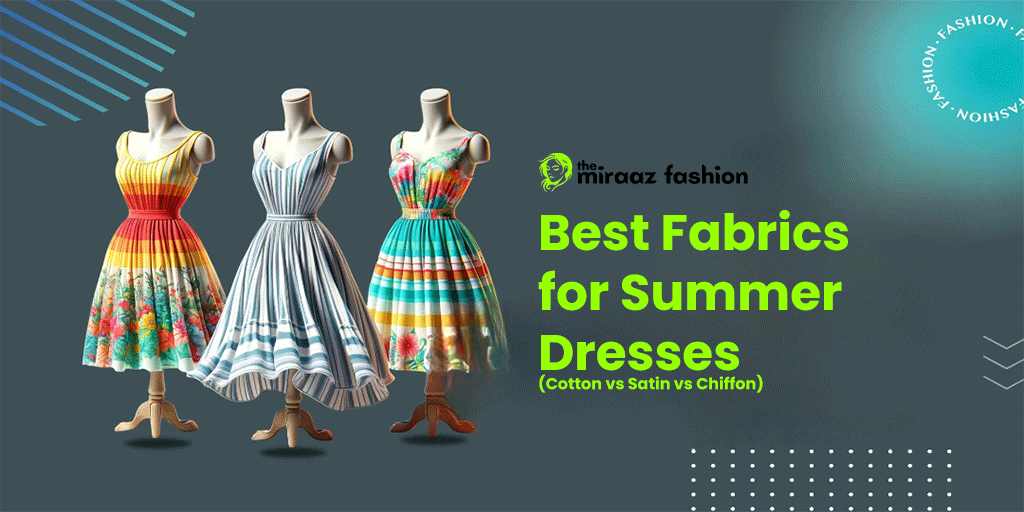

Cotton is the best all-round fabric for summer dresses because it’s breathable, absorbs sweat, and stays comfortable through a full day of heat. Chiffon is the best choice for flowy, stylish daytime or outdoor looks, and satin is best reserved for air-conditioned evening events, not daytime heat, because it traps warmth and doesn’t breathe.
The right fabric for you depends on one question: where are you wearing it — outdoors in the heat, or indoors under AC? Everything below breaks that down in detail.
Why Fabric Matters More Than Design in Summer
A dress can look perfect on a hanger and still feel unbearable by noon — because the fabric, not the design, decides how your body handles heat. The wrong fabric traps sweat and heat against your skin; the right one lets both escape.
A good summer fabric does five things at once:
- Breathability — lets air circulate against your skin
- Moisture absorption — pulls sweat away instead of holding it
- Lightweight feel — doesn’t sit heavy or stick to the body
- Soft texture — won’t irritate skin in humid weather
- Quick drying — stays fresh even after a sweaty commute
Cotton, satin, and chiffon each score differently on these five points — which is exactly why they suit different situations, not different “quality levels.”
1. Is cotton the best fabric for summer dresses?
Answer: Yes — cotton is widely considered the best overall summer fabric because it’s the most breathable, absorbs sweat effectively, and suits almost every daily activity, from office wear to travel.
Why cotton works in heat: As a natural fibre, cotton’s structure allows air to pass through the weave easily, which is why it feels cooler against the skin than synthetic fabrics even at the same temperature.
Strengths:
- Highly breathable — keeps body temperature regulated
- Absorbs moisture well — reduces that sticky, damp feeling
- Soft and skin-friendly — safe for sensitive skin
- Durable — holds up to frequent washing
- Biodegradable and eco-friendly
Trade-offs:
- Wrinkles faster than synthetic blends
- Takes longer to air-dry than polyester or chiffon
- Can shrink slightly if washed in hot water
Types worth knowing:
| Cotton type | Best for |
|---|---|
| Cotton Lawn | Lightweight, airy everyday dresses |
| Mulmul Cotton | Extra-soft, ideal for sensitive skin |
| Chambray | Denim look, cooler feel — smart-casual wear |
| Organic Cotton | Chemical-free, sustainable choice |
Best occasions: daily wear, office outfits, casual outings, travel days.
For office-specific fabric and dress-style guidance, see Best Dresses for Office Wear (Comfort + Style).
2. Is satin a good fabric for summer?
Answer: Satin is not ideal for daytime summer heat because it has low breathability, but it works well for air-conditioned evening events where its glossy, elegant drape matters more than cooling.
Why satin struggles in heat: Satin is a weave, not a fibre — it can be made from silk, polyester, or blends — and its tight, smooth structure blocks airflow, which is exactly what makes it look glossy and also what makes it retain heat.
Strengths:
- Luxurious, glossy finish — instantly elevates an outfit
- Smooth, soft texture against the skin
- Drapes elegantly, flatters the body’s natural shape
- Best suited for parties, weddings, and formal indoor events
Trade-offs:
- Low breathability — traps heat in direct sun or humidity
- Poor sweat absorption — can feel sticky in warm conditions
- Delicate — often needs dry cleaning rather than regular washing
Best occasions: evening parties, indoor functions with AC, date nights, formal dinners.
Smart fix if you love satin in summer: choose a lightweight satin blend over heavy silk satin, and stick to slip or midi styles rather than structured, heavy gowns.
3. Is chiffon good for summer dresses?
Answer: Yes — chiffon is one of the best fabrics for stylish summer dressing because it’s lightweight, allows some airflow through its loose weave, and dries quickly, though it offers less sweat absorption than cotton.
Why chiffon works for summer: Made from silk, polyester, or nylon, chiffon has an open, loose weave that lets some air circulate — enough to feel cool without cotton’s absorbency.
Strengths:
- Lightweight — feels almost weightless in heat
- Flowy and feminine — ideal for romantic, elegant silhouettes
- Dries quickly — practical for humid or rainy conditions
- Resists wrinkles — stays photo-ready through the day
Trade-offs:
- Sheer — usually needs an inner lining
- Less durable — delicate weave can tear if snagged
- Limited sweat absorption compared to cotton
Best occasions: beach vacations, summer weddings, outdoor parties, brunch dates.
Practical tip: Always pair sheer chiffon with a breathable cotton lining underneath — this adds comfort without losing the flowy outer look.
If you already own cotton frocks and want fresh ways to style them this season, How to Style a Cotton Frock in Summer 2026 (5 Fresh Looks) has five ready-to-copy outfit ideas.
4. Cotton vs Satin vs Chiffon: Which fabric wins overall?
Answer: Cotton wins for everyday comfort and practicality, chiffon wins for stylish, lightweight summer looks, and satin wins for formal evening occasions — there isn’t one universal winner, only the right fabric for the right setting.
| Feature | Cotton | Satin | Chiffon |
|---|---|---|---|
| Breathability | Excellent | Low | Moderate |
| Comfort in heat | High | Medium | Good |
| Weight | Light | Medium | Very light |
| Sweat absorption | High | Low | Low |
| Durability | High | Medium | Low |
| Style category | Casual & everyday | Elegant & formal | Flowy & stylish |
| Maintenance | Easy | Moderate (often dry-clean) | Easy |
5. How do you choose a summer fabric based on your lifestyle?
Answer: Choose cotton if you’re outdoors often, chiffon if you want stylish comfort for events and outings, and satin only for occasions where you’ll mostly be indoors under air conditioning.
- Mostly outdoors / on your feet all day → Cotton
- Attending outdoor events, brunches, or day weddings → Chiffon
- Attending indoor evening events, parties, or dinners → Satin
- Daily office wear → Cotton or a cotton-blend, depending on your office’s AC and dress code
6. How do you choose a summer fabric based on climate?
Answer: Hot and dry climates suit cotton best, humid climates suit cotton or lined chiffon, and evening or air-conditioned settings suit satin regardless of the daytime climate.
| Climate/setting | Best fabric |
|---|---|
| Hot & dry weather | Cotton |
| Humid weather | Cotton, or chiffon with a cotton lining |
| Evening / air-conditioned indoor events | Satin |
| Rainy or high-humidity travel days | Chiffon (dries fastest) |
7. How should you style each fabric in summer?
Cotton dresses:
- Choose loose silhouettes — A-line or maxi — for maximum airflow
- Stick to light colours that reflect heat rather than absorb it
- Keep layering minimal
Satin dresses:
- Choose lightweight satin blends over heavy silk satin
- Opt for slip or midi styles instead of structured gowns
- Pair with minimal accessories for an elevated, uncluttered look
Chiffon dresses:
- Layer with a breathable cotton lining
- Choose floral prints for a natural summer feel
- Go for maxi or tiered styles to maximize the flowy effect
General summer styling rules, regardless of fabric:
- Prefer loose-fitting cuts that allow airflow
- Stick to light colours — white, pastel, beige — since dark shades absorb more heat
- Skip heavy embellishments, which trap warmth and add visual bulk
- Pair with breathable footwear like sandals rather than closed shoes
For a deeper breakdown of how colour and cut affect not just comfort but how slim and proportionate a dress makes you look, see How to Look Slim in Dresses: 12 Styling Tips That Actually Work.
FAQs: Best Fabrics for Summer Dresses
Q: What is the most breathable fabric for summer dresses? A: Cotton is the most breathable summer fabric — its natural fibre structure allows maximum airflow and moisture absorption compared to satin or chiffon.
Q: Is chiffon cooler than cotton? A: No. Chiffon is lighter in weight than cotton, but cotton absorbs sweat better and keeps the body cooler overall, since chiffon’s main advantage is its airy, flowy feel rather than moisture management.
Q: Can you wear satin in summer? A: Yes, but only for indoor, air-conditioned, evening occasions. Satin has low breathability and can feel warm and sticky in direct heat or humidity.
Q: What fabric is best for a summer wedding? A: Chiffon is a popular choice for daytime or outdoor summer weddings due to its lightweight, flowy nature, while satin suits an evening indoor wedding function better.
Q: Which fabric dries fastest after sweating or rain? A: Chiffon dries the fastest among the three, followed by cotton. Satin, especially silk-based satin, takes the longest and often needs careful drying.
Q: Do lighter-coloured summer dresses feel cooler than darker ones? A: Yes. Light colours reflect heat rather than absorb it, which is why pastels, white, and beige feel cooler in direct sun compared to darker shades, regardless of fabric.
Final Word
There’s no single “best” fabric for summer — only the best fabric for your day. Reach for cotton when comfort and practicality lead, chiffon when you want lightweight elegance for an outing, and save satin for evenings where the AC does the cooling and the fabric does the styling.
Explore more styling guides:
- How to Style a Cotton Frock in Summer 2026 (5 Fresh Looks)
- Anarkali vs. Straight Kurta: Which Silhouette Suits Your Body Type
- 10 Ways to Style a Kurta Set for Every Occasion
- How to Look Slim in Dresses: 12 Styling Tips That Actually Work
- Best Dresses for Office Wear (Comfort + Style)
- How to Style One Dress in 5 Different Ways — Smart Fashion Guide for 2026