
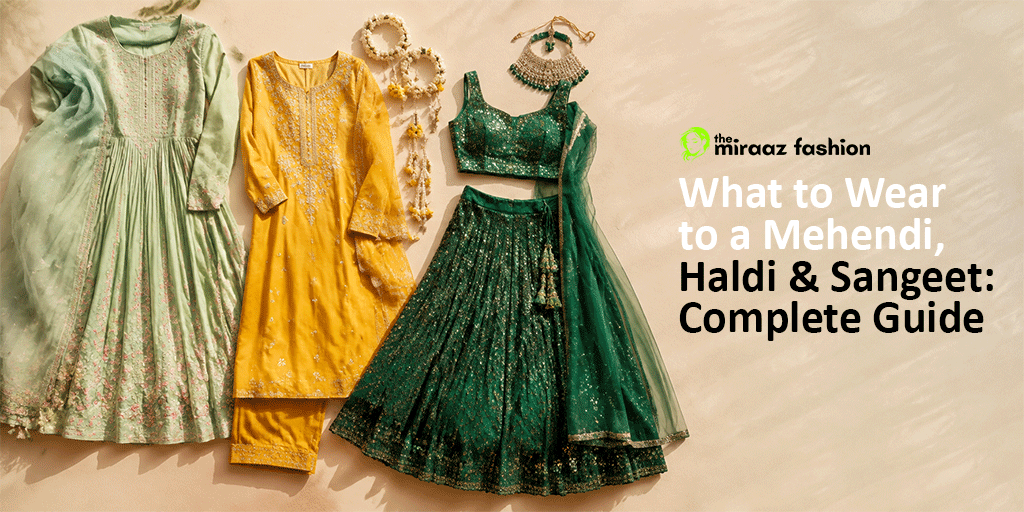

Wedding season brings three functions that trip up almost every guest and every bride-to-be: Mehendi, Haldi, and Sangeet. Each one has its own colour code, its own energy, and its own dress code — and mixing them up is one of the most common styling mistakes we see. This guide breaks down exactly what to wear for each function, why it matters, and how to pick outfits that photograph well, move well, and actually feel comfortable through a 4-6 hour celebration.
Quick Answer: For Mehendi, wear light, breathable cotton suits or anarkali sets in yellow, green, or pastel shades. For Haldi, stick to yellow or marigold-toned cotton outfits that won’t stain permanently. For Sangeet, go bold with sequinned lehengas, shimmer sarees, or western dresses that allow easy dancing.
What to Wear to a Mehendi Function
Quick Answer: The best Mehendi outfits are light cotton or georgette suit sets, anarkali suits, or sharara sets in fresh colours like mint green, coral, mustard, or turquoise — fabrics that stay cool and don’t crease while you sit for hours getting mehendi applied.
Mehendi functions typically run 3-5 hours, and guests sit still for long stretches while the henna dries. This changes what “practical” means:
- Fabric first: Cotton, chanderi, and georgette breathe better than heavy silk or velvet, especially for daytime or outdoor mehendi setups.
- Sleeve length matters: Elbow-length or sleeveless designs make it easier for the mehendi artist to work without staining fabric.
- Colour palette: Yellow, mint, coral, and mustard dominate mehendi functions because they photograph beautifully against green backdrops and marigold decor.
- Comfort over drama: Skip heavily embellished outfits — sequins and stone-work can scratch wet mehendi paste.
For guests specifically, a well-fitted cotton kurta set or a simple printed suit works better than a saree, since sarees require more adjusting and aren’t ideal for sitting on floor cushions, which is common at mehendi setups. If you’re unsure whether an anarkali or a straight-cut silhouette will suit you better for the day, our Anarkali vs. Straight Kurta silhouette guide breaks down which cut flatters which body type — worth a read before you shop.
What to Wear to a Haldi Ceremony
Quick Answer: Haldi outfits should always be yellow, mustard, or marigold-toned cotton sets — turmeric paste stains permanently, so guests and the bride should wear something they don’t mind getting a little messy.
Haldi is the one function where practicality genuinely outranks style:
- Colour is non-negotiable: Yellow isn’t just tradition — turmeric itself is yellow, so wearing yellow means stains blend in rather than standing out.
- Old or budget-friendly fabric: Many people intentionally wear a simpler cotton set they don’t mind ruining, since turmeric oil doesn’t wash out completely even after multiple washes.
- Avoid white and pastels entirely: These show turmeric stains the most and are the hardest to salvage afterward.
- Keep jewellery minimal: Turmeric paste and oil can tarnish delicate jewellery, so plastic bangles, floral jewellery, or simple gold-tone pieces work best.
Cotton genuinely earns its reputation here — it absorbs moisture and turmeric oil without clinging uncomfortably to the skin, and it dries fast if things get a little messy mid-ceremony. The same reasoning applies to picking cotton for humid, high-activity days generally, which is why our guide on cotton kurta sets for monsoon comfort is a useful companion read if your haldi function happens to fall during the rainy months — the fabric logic is nearly identical.
A cotton kurta set with a floral or plain dupatta is the safest, most photogenic choice — and floral jewellery, a rising trend at Indian haldi ceremonies, pairs perfectly with the yellow palette.
What to Wear to a Sangeet
Quick Answer: Sangeet calls for outfits with movement and shine — sequinned lehengas, shimmer sarees, or fitted western dresses in jewel tones like emerald, wine, royal blue, or fuchsia, since most of the night involves dancing.
Sangeet is the most fashion-forward of the three functions, closer to a party than a ritual:
- Prioritise movement: Flared lehengas, pre-stitched sarees, or A-line gowns work better than tightly fitted, restrictive outfits.
- Fabric with shine: Sequins, mirror-work, and shimmer georgette catch the light beautifully under sangeet lighting and photography.
- Bold colours over pastels: Deep jewel tones (emerald, wine, cobalt, magenta) stand out far more than mehendi’s soft pastel palette.
- Footwear matters more than people expect: Block heels or embellished flats are safer than stilettos for a night of dancing.
For guests who want a traditional silhouette with a modern edge rather than a full western dress, a well-tailored suit set can work surprisingly well for a sangeet after-party or a smaller family sangeet. Our Lakhnavi suit styling guide shows how a traditional Lakhnavi cut can be styled with modern draping and accessories for exactly this kind of function. For a full-glam sangeet look, a sequinned saree or shimmer georgette saree with a statement blouse also works well — just make sure the pleats are pinned so they hold up through dance performances.
Colour Guide: Mehendi vs Haldi vs Sangeet
| Function | Best Colours | Fabric to Choose | Fabric to Avoid |
|---|---|---|---|
| Mehendi | Mint, coral, mustard, turquoise | Cotton, georgette, chanderi | Heavy silk, velvet |
| Haldi | Yellow, marigold, mustard | Cotton | White, pastels |
| Sangeet | Emerald, wine, cobalt, fuchsia | Sequin, shimmer georgette, satin | Plain matte cotton |
This colour logic isn’t arbitrary — it follows how Indian wedding functions are photographed and themed. Mehendi decor leans green and floral, haldi is built entirely around turmeric-yellow, and sangeet lighting is designed to make shimmer and sequins pop under stage lights.
Choosing the Right Silhouette for Your Body Type
Colour and fabric solve half the problem — silhouette solves the other half. A mint-green outfit in the wrong cut can still look off in photos, while the right silhouette makes even a simple cotton set look intentional.
- Pear-shaped body types generally look best in A-line anarkalis or flared kurtas that balance the hips.
- Apple-shaped body types do well in straight-cut kurtas with a defined waistline or an empire-waist anarkali.
- Hourglass body types can wear almost any silhouette, though fitted straight-cut suits highlight the natural waist best.
- Rectangle body types benefit from anarkalis and flared lehengas that create the illusion of curves.
This is exactly why silhouette deserves its own decision separate from colour — and it’s worth reading in more depth. Our detailed breakdown on choosing between an anarkali and a straight kurta based on body type goes further into which cut works for which shape, with specific styling adjustments for each.
Building a Multi-Function Wedding Wardrobe
If you’re attending all three functions (or all five, if the wedding stretches across a full week), repeating outfits isn’t ideal, but buying five entirely new outfits isn’t practical either. A smarter approach is choosing 2-3 versatile pieces that can be restyled:
- A cotton kurta set in a mid-tone colour (like mustard or rust) can double for both haldi and a casual pre-wedding dinner with different jewellery.
- A shimmer saree or sequinned lehenga bought for sangeet can be re-worn for the wedding reception with a different blouse or draping style.
- A cotton frock or Anarkali-style dress works well for lighter, daytime pre-wedding events like a bridal shower or a casual mehendi lunch. If you want fresh styling ideas for exactly this kind of daytime occasion, our guide on how to style a cotton frock covers five different ways to dress one up or down depending on the setting.
Thinking of your wedding wardrobe as a small capsule collection — rather than five unrelated outfits — also makes packing for out-of-town weddings significantly easier.
Accessories & Jewellery for Each Function
Quick Answer: Keep jewellery light and floral for Mehendi and Haldi, and go bold with statement pieces — jhumkas, chokers, or layered necklaces — for Sangeet, since it’s the most dressed-up event of the three.
- Mehendi: Floral jewellery, oxidised silver sets, or simple gold-tone jhumkas
- Haldi: Floral jewellery only (protects real jewellery from turmeric stains), plastic or glass bangles
- Sangeet: Statement chokers, layered necklaces, embellished clutch, heels with grip for dancing
A common mistake we see is guests wearing heavy jewellery to haldi — turmeric oil discolours gold and silver plating over time, so it’s genuinely better to skip real jewellery at this specific function.
What NOT to Wear (Common Mistakes)
- Don’t wear white to haldi — it stains worst and never fully recovers.
- Don’t wear heavy silk to mehendi — you’ll be sitting for hours, and silk creases badly and traps heat.
- Don’t wear restrictive lehengas to sangeet — if you can’t move your arms above your head, you can’t dance in it.
- Don’t wear the same colour as the bride — check with the family beforehand, especially for haldi where the bride is almost always in yellow.
- Don’t ignore the venue — outdoor mehendi/haldi means flat sandals or wedges, not stilettos that sink into grass.
Quick Recap: What to Wear to Each Function
| Function | Top Pick | Backup Option |
|---|---|---|
| Mehendi | Cotton anarkali suit in mint/coral | Printed cotton kurta set |
| Haldi | Yellow cotton kurta set | Mustard cotton suit |
| Sangeet | Sequinned lehenga in jewel tone | Shimmer saree with statement blouse |
Frequently Asked Questions (FAQ)
Q: What colour should I avoid wearing to a Haldi ceremony? A: Avoid white and light pastels — turmeric stains show up worst on these shades and rarely wash out completely.
Q: Can I wear a saree to Mehendi? A: Yes, but a cotton suit or anarkali set is usually more practical since mehendi involves long hours of sitting, and sarees need more adjusting.
Q: What fabric works best for a Sangeet outfit? A: Shimmer georgette, sequin-work fabric, or satin — these move well for dancing and catch stage lighting beautifully.
Q: Is it okay to wear jewellery to Haldi? A: Real gold or silver jewellery isn’t recommended, since turmeric oil can tarnish it. Floral jewellery or bangles are the safer choice.
Q: How do I choose between an anarkali and a straight-cut kurta for a wedding function? A: It largely depends on body type — A-line anarkalis suit pear and rectangle body shapes best, while straight-cut kurtas flatter apple and hourglass shapes. A detailed comparison can help you decide before you shop.
Q: What’s the biggest styling mistake guests make at these functions? A: Wearing heavy embellished outfits to Mehendi and Haldi — both functions involve sitting on the floor and getting messy, so comfort should come before drama.